QR Code Style Gallery — 45+ Artistic Designs
45+ unique QR code styles. Retro, Vortex, Botanical, Sketch, and more. Browse all designs and create yours for free.
Browse All Styles → 45+ unique QR code styles. Retro, Vortex, Botanical, Sketch, and more. Browse all designs and create yours for free.
Browse All Styles →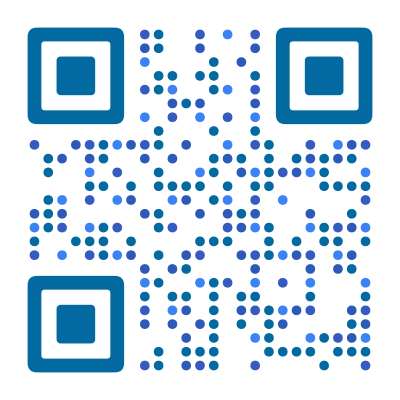
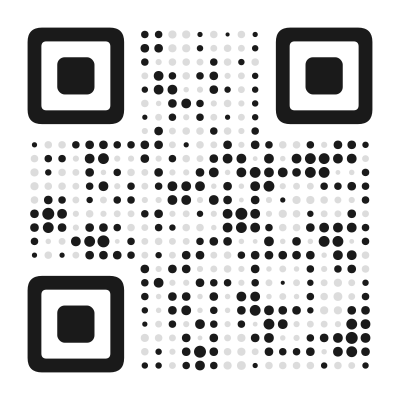
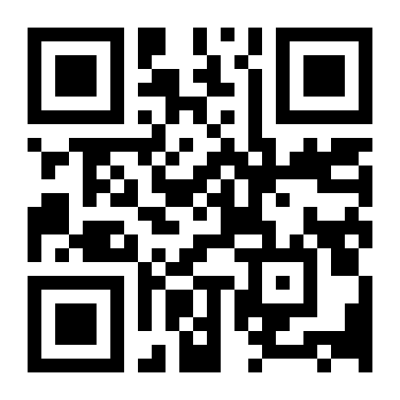
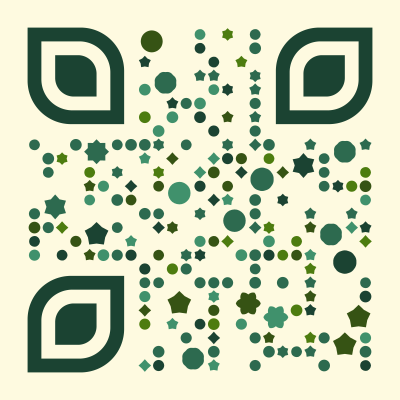
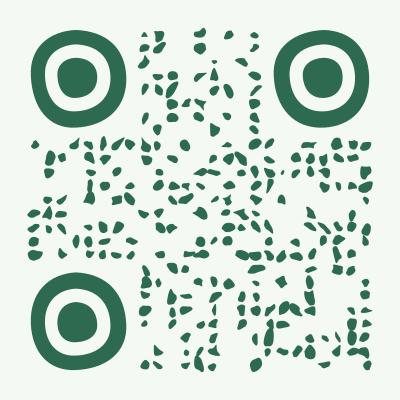

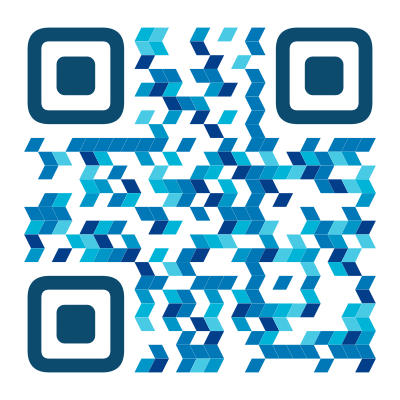
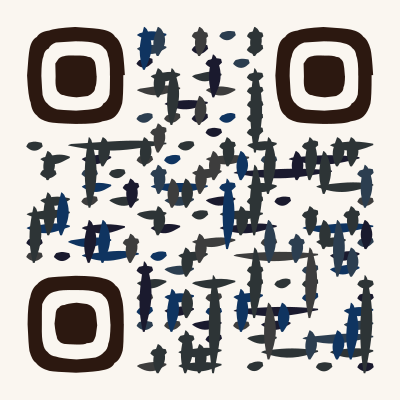
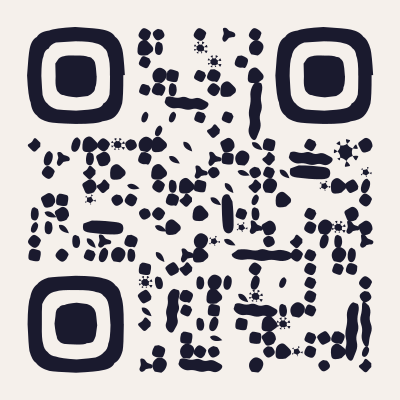
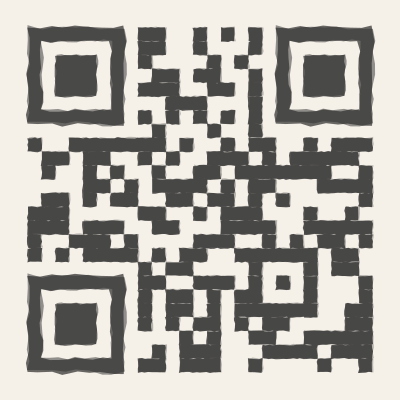
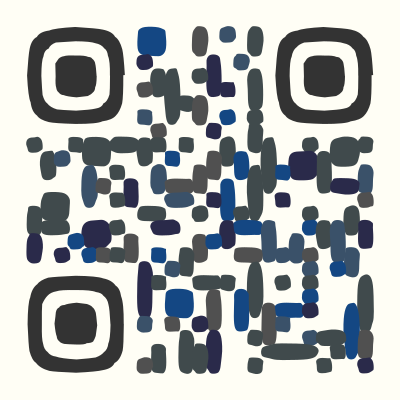
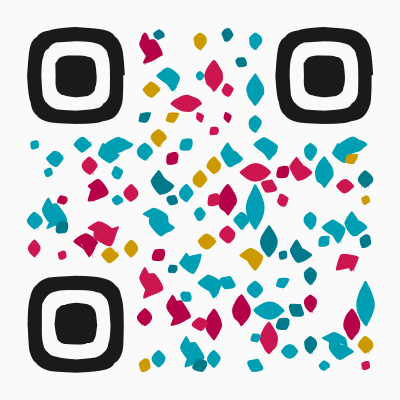
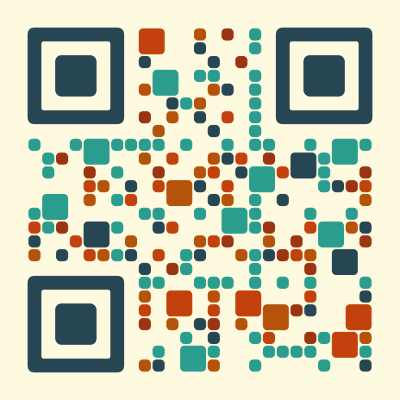
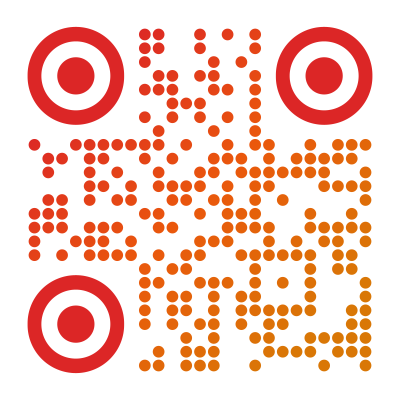
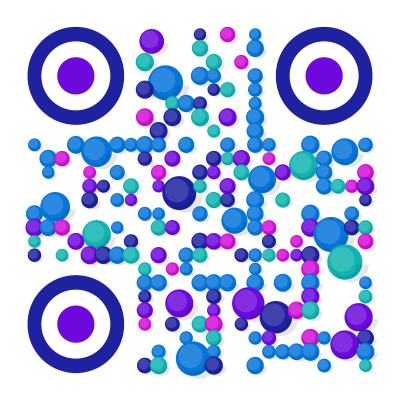
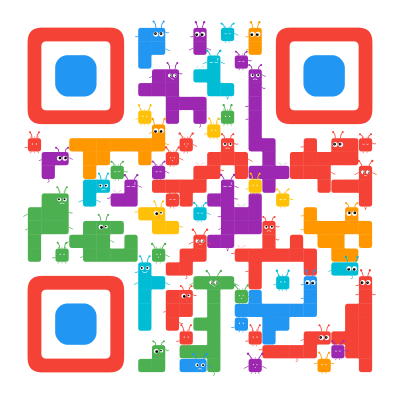
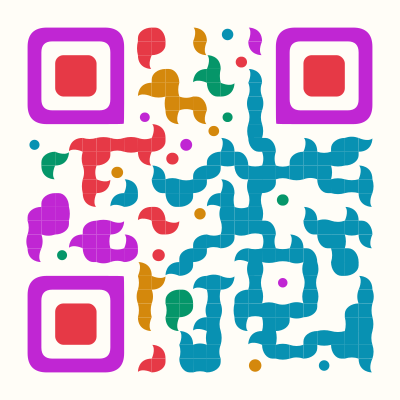
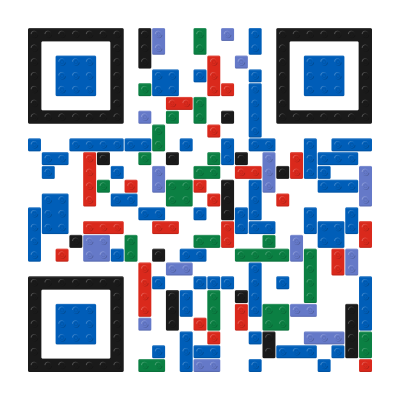
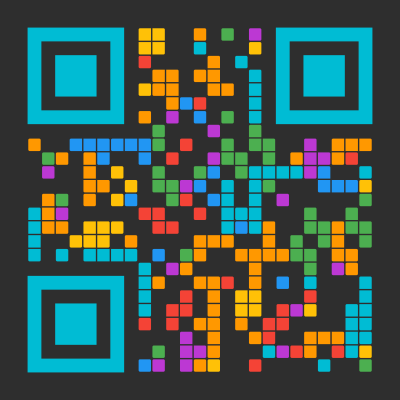
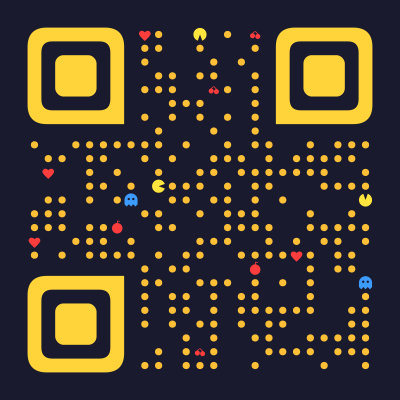
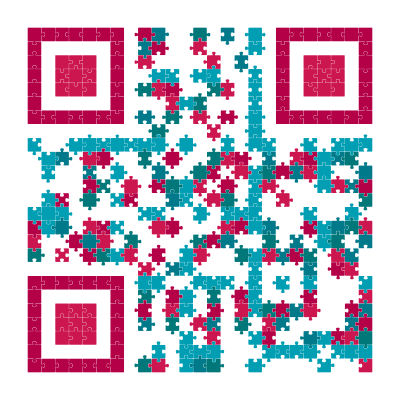
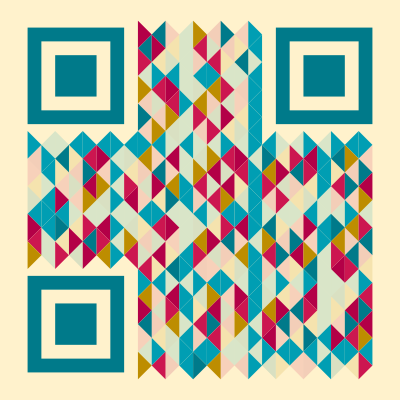
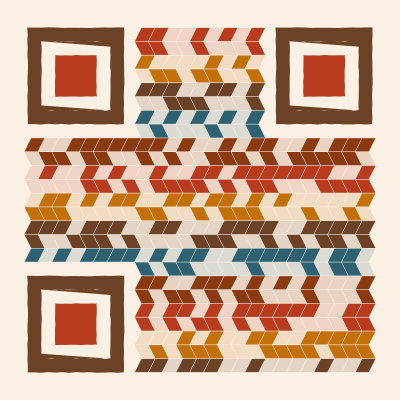
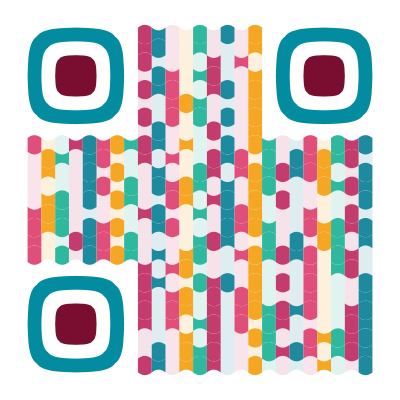
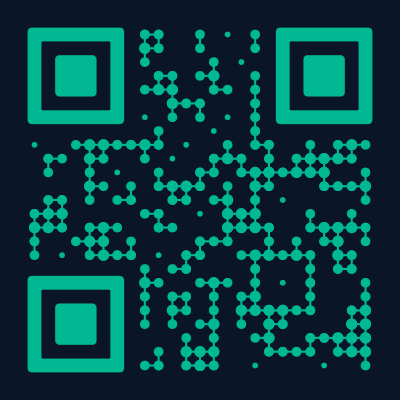
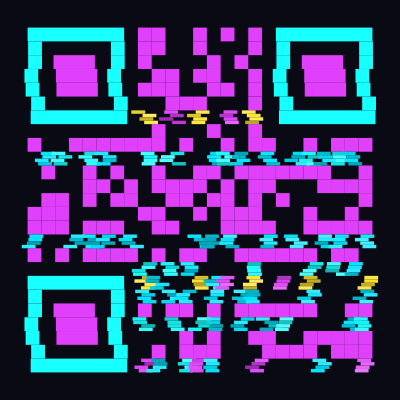
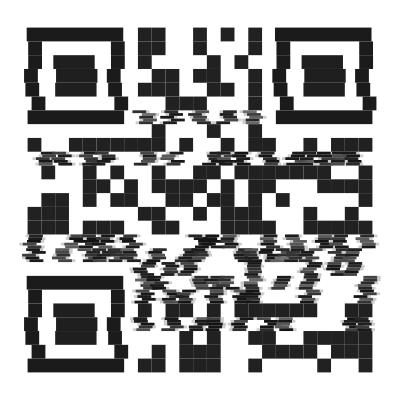

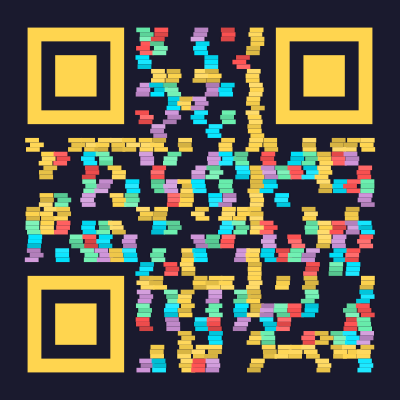
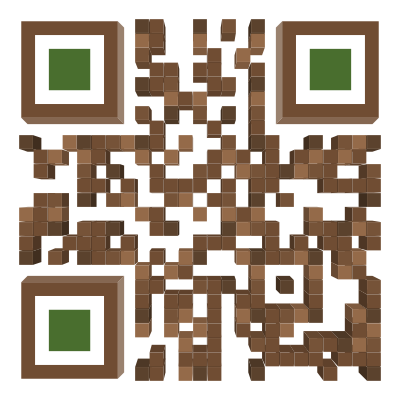
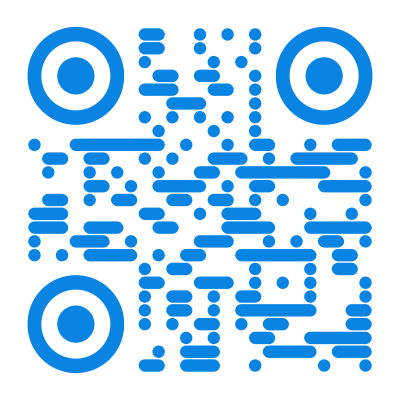
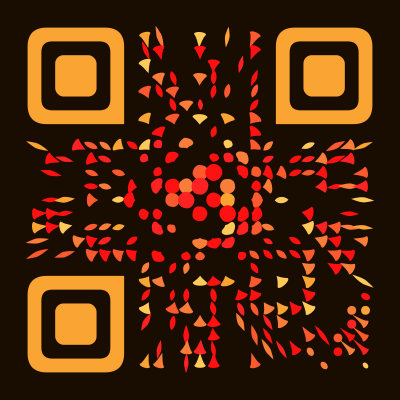
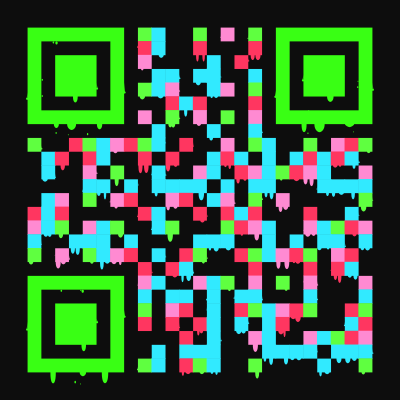
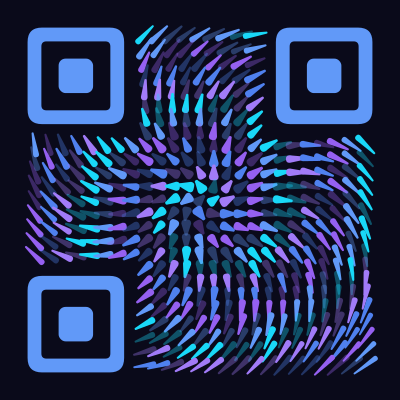
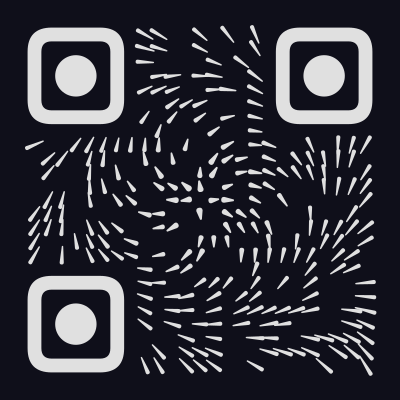
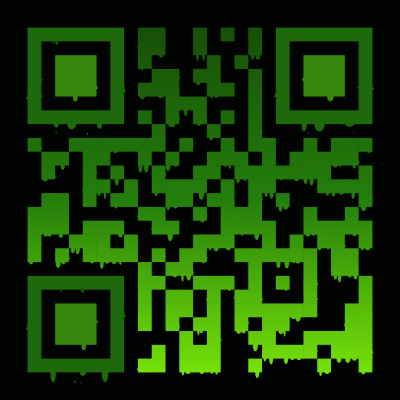
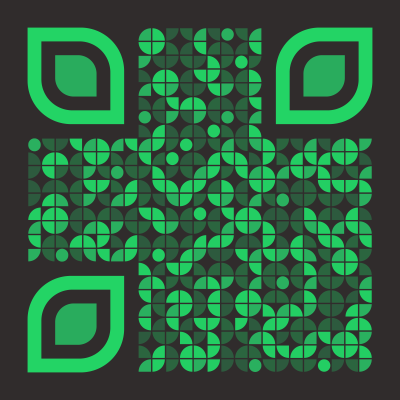
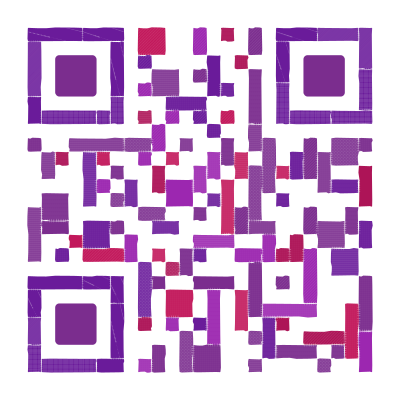
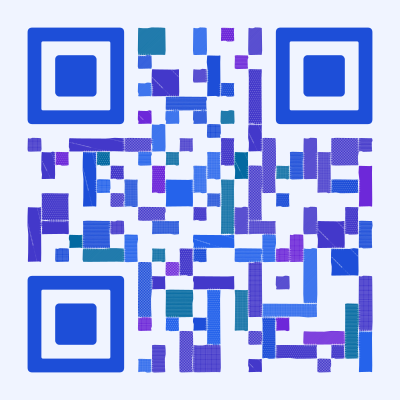
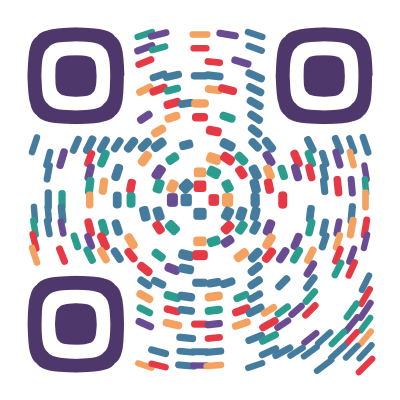
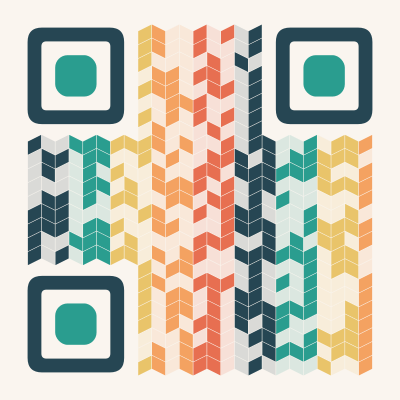
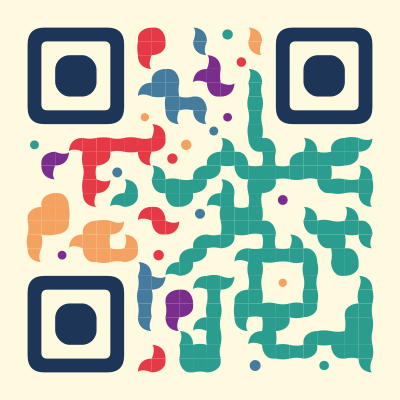
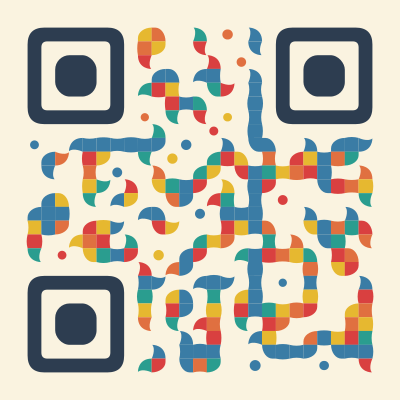
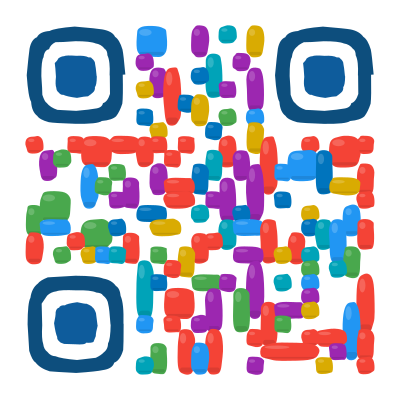
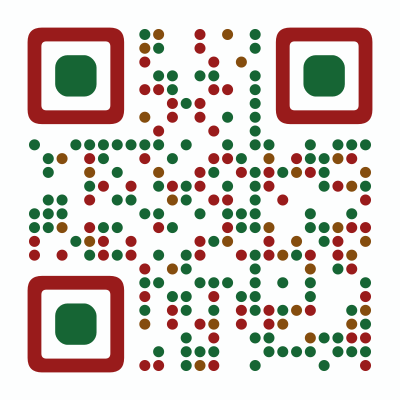
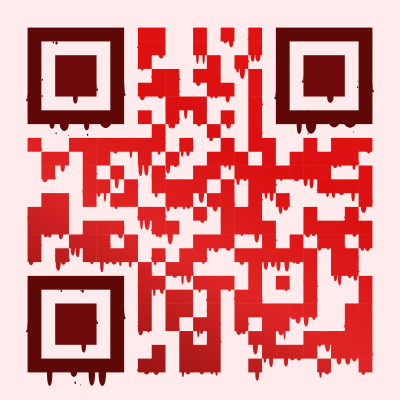
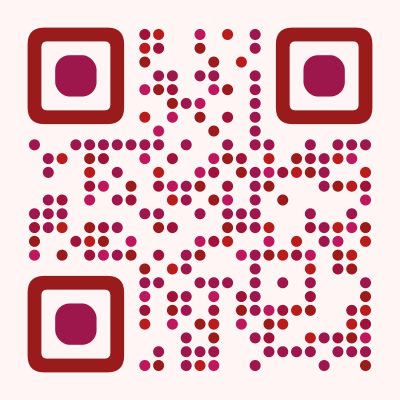
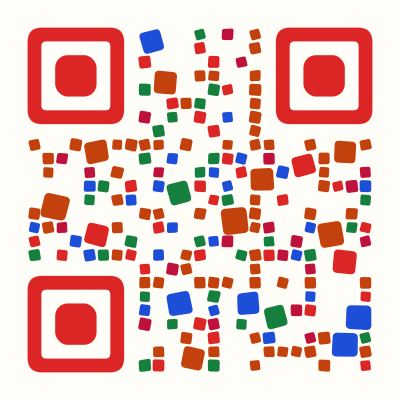
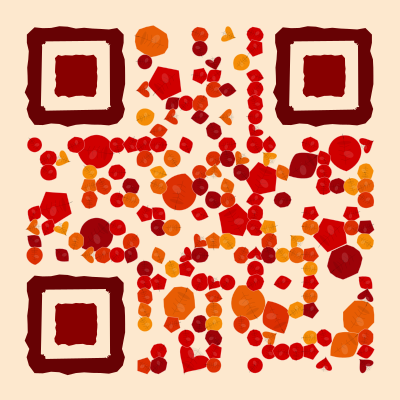
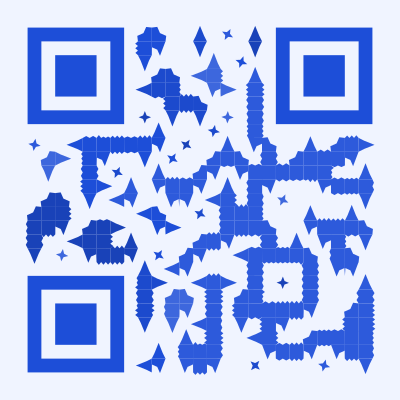
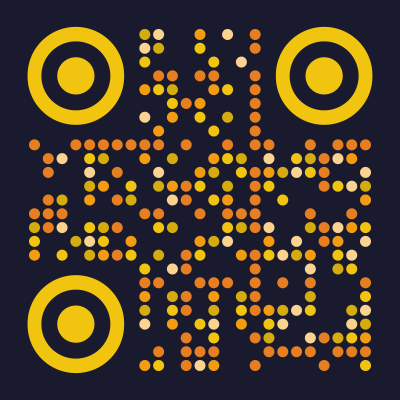

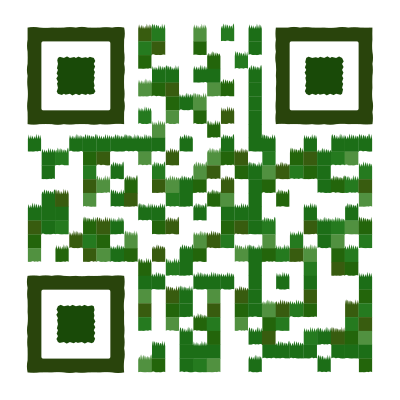
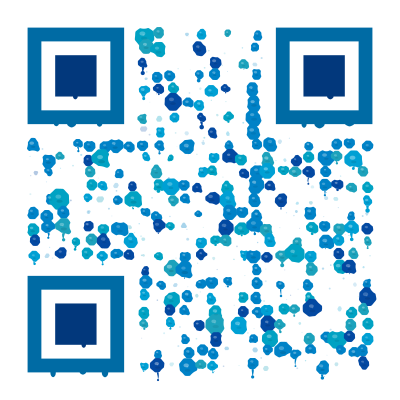

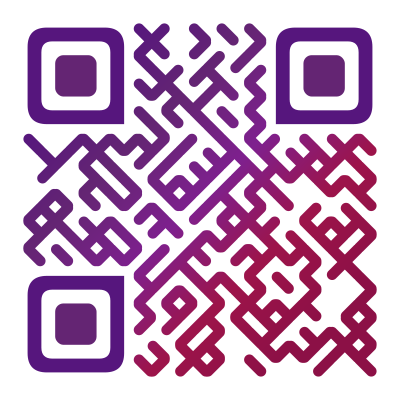
Every QR code is made up of small square modules arranged in a grid. A standard QR code uses plain black squares on a white background — functional, but visually uninspiring. Module styles replace those plain squares with custom shapes, turning a utilitarian barcode into a design element that fits your brand or creative vision.
Instead of a grid of boxes, your QR code might be composed of rounded dots, organic leaves, hand-drawn sketches, rotating vortex shapes, or retro pixel art. The underlying data stays the same. The scanners still read it. But the visual impression is completely different.
Our designer offers over 45 unique module styles — one of the largest collections available in any QR code generator, free or paid.
The style library is organized into categories that make it easy to find the right look for your project.
Clean, precise, and modern. These styles replace the default square with geometric shapes — circles, diamonds, rounded rectangles, hexagons, and stars. They work well at any size and are the safest choice for professional contexts where you want a subtle upgrade over the default look.
Popular picks include Rounded (soft corners on every module), Dots (perfect circles instead of squares), Diamond (45-degree rotated squares), and Hexagon (honeycomb-like tessellation).
Nature-inspired shapes that feel alive. Botanical renders each module as a small leaf or petal. Blob produces soft, irregular shapes that look hand-formed. Seed scatters rounded organic forms across the grid. These styles work beautifully on packaging for natural products, wellness brands, and food and beverage labels.
For when you want the QR code to double as artwork. Sketch gives every module a hand-drawn, slightly imperfect look — perfect for craft brands or indie projects. Brush mimics ink brush strokes. Watercolor produces soft, bleeding edges. Mosaic arranges tiles with slight color variations for a stained-glass effect.
Fun, eye-catching shapes that invite interaction. Heart, Star, and Flower modules turn the QR code into a pattern that draws attention. Great for event invitations, greeting cards, social media, and anything targeting a younger audience.
Styles that lean into the QR code’s technical nature rather than hiding it. Circuit renders modules as circuit board traces. Binary uses ones and zeros. Pixel embraces the retro 8-bit aesthetic. These work well for tech companies, gaming events, and developer-focused materials.
Styles that create a visual sense of movement even in a static image. Vortex spirals modules outward from the center. Wave introduces sinusoidal displacement. Chevron creates directional arrows. These are attention-grabbing choices for posters and large-format displays.
Most styles are not just a single fixed shape — they expose parameters that let you fine-tune the appearance:
These parameters update the QR code preview in real time, so you can experiment freely without committing to anything.
The best style depends on context — where the QR code will appear, who will scan it, and what impression you want to make.
Business cards and corporate materials. Stick with geometric styles — Rounded, Dots, or Diamond. They look professional without being distracting. Pair with your brand colors for a polished result.
Product packaging. Match the style to the product category. Botanical for organic food, Sketch for handmade goods, Circuit for electronics. The QR code becomes part of the packaging design rather than an afterthought.
Event posters and flyers. Go bold. Vortex, Wave, and the playful styles (Heart, Star, Flower) command attention from a distance. Use high-contrast colors so the code remains scannable even in busy visual environments.
Restaurant menus and table tents. Organic styles blend naturally with food imagery. Seed, Blob, and Botanical feel warm and inviting. Keep the overall size generous since table tents are scanned at arm’s length.
Digital screens and social media. Anything goes — but consider animated styles if the medium supports them. For static posts, artistic styles like Watercolor or Brush stand out in feeds full of generic content.
Small print (business cards, labels). Prioritize scannability. Geometric styles with moderate module sizes scan most reliably at small physical dimensions. Avoid highly decorative styles below 2.5cm.
The three large squares in the corners of every QR code are called finder patterns. They help scanners locate and orient the code. Our designer lets you customize these independently from the module style — choose from square, rounded, circle, leaf, and other shapes.
Matching your finder pattern style to your module style creates a cohesive look. But you can also mix them deliberately for contrast — say, organic Botanical modules with clean circular finders. The finder patterns are larger and more visually prominent, so they contribute significantly to the overall impression.
QR codes include error correction data that allows scanners to read the code even when part of it is damaged or obscured. Our styles are designed to work within these tolerances. Every style in the gallery has been tested across iPhone and Android cameras, third-party QR reader apps, and various lighting conditions.
That said, some combinations push the limits — extremely small module sizes with highly decorative styles at low error correction levels. The designer warns you if your configuration might cause scanning issues. When in doubt, increase the error correction level or choose a slightly cleaner style.
Most QR code generators either offer plain black-and-white codes for free and charge for styling, or they slap a watermark on styled codes. Our entire style gallery — all 45+ designs, all parameters, all export formats — is free. No account, no trial, no “premium tier” upsell for the good styles. Every design you create is yours to use commercially.
Found this useful?
Share it with someone who needs it.
Yes. Every style in the gallery is designed to maintain scannability. QR codes have built-in error correction, and our styles are tested to work reliably across all major phone cameras and QR reader apps.
Yes, completely free. All 45+ styles are available without signup, without watermarks, and without limits on downloads.
Absolutely. Most styles expose parameters like module size, rotation, randomness, and spacing. You can fine-tune these to get exactly the look you want while keeping the code scannable.
For smaller QR codes (under 3cm), stick with cleaner geometric styles like Rounded, Dots, or Diamond. Highly decorative styles like Botanical or Sketch need more physical space to remain scannable.
Yes. Styles and colors are independent — pick any module style and pair it with solid colors, gradients, or even transparent mode with a background image.
Slightly. More complex styles like Botanical or Vortex produce larger SVG files because they use more detailed paths. For most use cases the difference is negligible — a few kilobytes at most.
45+ artistic styles, free SVG export, no signup needed.
Browse All Styles →